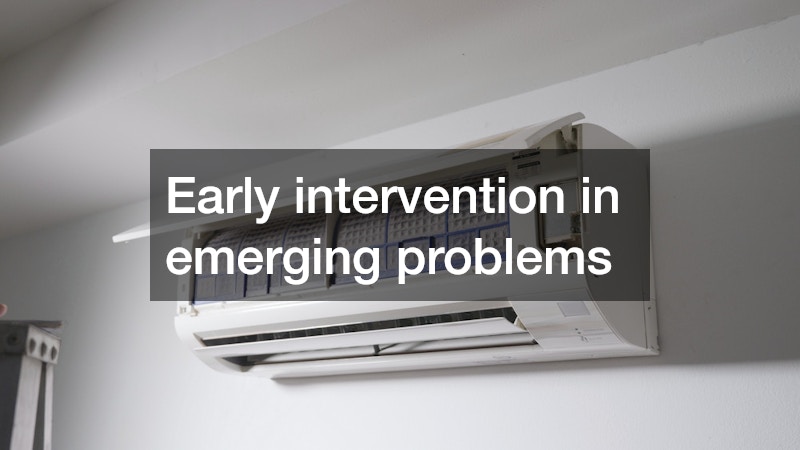
In today’s world, where HVAC systems are integral to maintaining comfort in homes and businesses, understanding how professional HVAC services can prevent costly repairs is crucial. This article delves into the essential role these services play in ensuring efficiency, extending lifespan, and avoiding unexpected expenses. As HVAC systems become more complex and ubiquitous, their maintenance is not merely a task but an investment that shields against inconvenient breakdowns and costly repairs.
The real benefits lie in the expertise and foresight professionals provide, which amateurs often overlook.
Why is Regular Maintenance Important for HVAC Systems?
Regular maintenance is the cornerstone of HVAC system efficiency. It involves scheduled check-ups and cleaning operations that keep the system running smoothly, thus preventing potential breakdowns and costly repairs. Neglected systems often develop issues like clogged filters or unchecked refrigerant levels, leading to increased strain and energy consumption. Over time, this neglect can escalate into more severe mechanical failures, underscoring the necessity for routine professional attention.
How Do Professional HVAC Inspections Help in Identifying Problems Early?
Inspections conducted by certified professionals help in early detection of problems that might escalate if left unattended. Professionals possess the expertise to identify inefficiencies or components on the verge of failure. The financial wisdom of addressing small issues before they balloon into significant problems cannot be overstated. Consequently, professional inspections are a strategic investment in a system’s longevity and reliability.
Technicians employ advanced diagnostic tools during inspections, providing a level of accuracy that general troubleshooting lacks. These tools enable precise detection of hidden faults, such as slow refrigerant leaks or circuit issues, often invisible to untrained eyes. By addressing these minor discrepancies early, homeowners can steer clear of costly repairs that arise from neglected small faults. Ultimately, timely interventions help maintain the integrity and efficiency of the entire system.
What Are the Signs That Indicate a Need for Professional HVAC Service?
Recognizing the signs of system distress early can save homeowners a significant amount in repairs. Common indicators include unusual noises, insufficient cooling or heating, and spikes in energy bills, all of which necessitate a call to a professional. Oftentimes, these symptoms reflect underlying inefficiencies or mechanical issues that, if unattended, could lead to service interruptions. Prompt professional intervention in response to these signs is crucial to avoid exacerbating the issue.
Unusual noises, such as rattling, buzzing, or grinding, often point to loose parts or motor issues. Whilst such noises may be sporadic, they should not be ignored as they can precede more severe mechanical failures. Similarly, insufficient temperature control often indicates problems with the system’s airflow, compressor, or refrigerant levels. These issues, if not promptly rectified, can result in extensive damage requiring costly repairs or replacements.
How Can Investing in HVAC Service Plans Save Money in the Long Run?
Service plans offered by HVAC professionals can be economical in the long term. These plans typically include regular inspections, priority service, and discounts on repairs, which collectively contribute to less unforeseen expenditure. For homeowners, this translates into peace of mind and a systematic maintenance schedule that precludes the haphazard attention that often results in costly oversight. With regular care part-and-parcel of these plans, unexpected breakdowns are significantly reduced.
Having an HVAC service plan provides a structured approach to maintenance, ensuring consistent system checks without the burden of remembering schedules. These plans offer predictable costs, often saving homeowners from the financial shock of major repair expenses. Moreover, discounts on repairs and priority service can make an overwhelming situation more manageable and less stressful. Such investments in systematic care frequently pay for themselves through improved system performance, durability, and utility savings.
What Role Does Technology Play in Modern HVAC Maintenance?
Technology has significantly enhanced HVAC maintenance, with new tools and software allowing for more accurate diagnostics and efficient service. These innovations elevate the standard of service by enabling real-time monitoring and precise control, enhancing overall system management. Smart thermostats and IoT devices offer insights into usage patterns and systemic inefficiencies, providing data that drive informed maintenance decisions. Essentially, technology transforms HVAC maintenance from routine checks to a continuously optimized process.
Through technology, professionals can access remote diagnostics making it easy to anticipate and address issues before they escalate. This proactive capacity minimizes downtime and optimizes system performance, invariably blocking the pathway to costly service interruptions. Furthermore, digital maintenance records ensure a history of systematic checks and repairs, facilitating a continuity of care often missing from conventional approaches. In this age of digital solutions, technology tools are indispensable for preemptive system care.
Professional HVAC services are indispensable when it comes to preventing costly repairs. Through regular maintenance, early problem detection, recognizing distress signals, smart service plans, and leveraging technology, individuals can ensure their HVAC systems run efficiently and economically, safeguarding their investments and enhancing their comfort. The credo of professionals emphasizes routine check-ups, early intervention in emerging problems, and skillful use of technology to sustain the system’s health. Ultimately, investing in professional services equates to investing in assurance and financial prudence, securing the longevity and dependability of one’s HVAC system.